X CYBERBULLY
Cyber-bullying, also known as “Generation E-Bullying“, refers to bullying that occurs on the Internet. It involves the use of digital platforms such as social networking sites, chat rooms, blogs, instant messaging apps and text messages to post electronic messages in the form of text, pictures or videos intended to harass, threaten, marginalize or spread rumors about others.
Once upon a time, bullied children could escape such aggression and harassment by going home and being alone, but today the digital world offers no such safe haven for children.
The network is like a “double-edged sword”. While bringing convenience and benefits to human life, it also brings hidden negative effects and injuries.
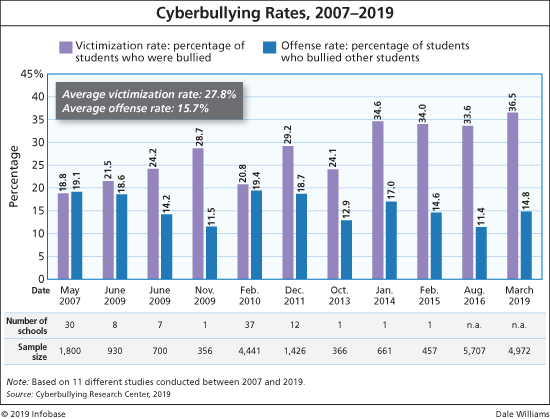
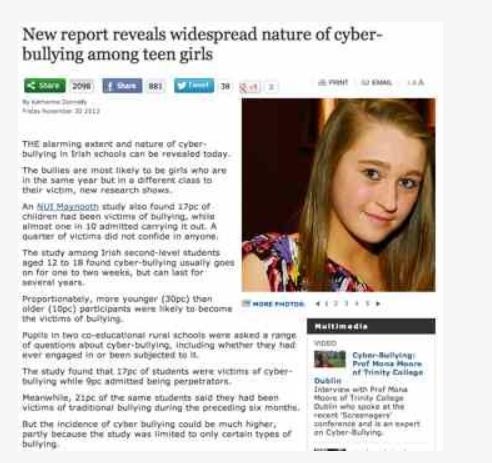
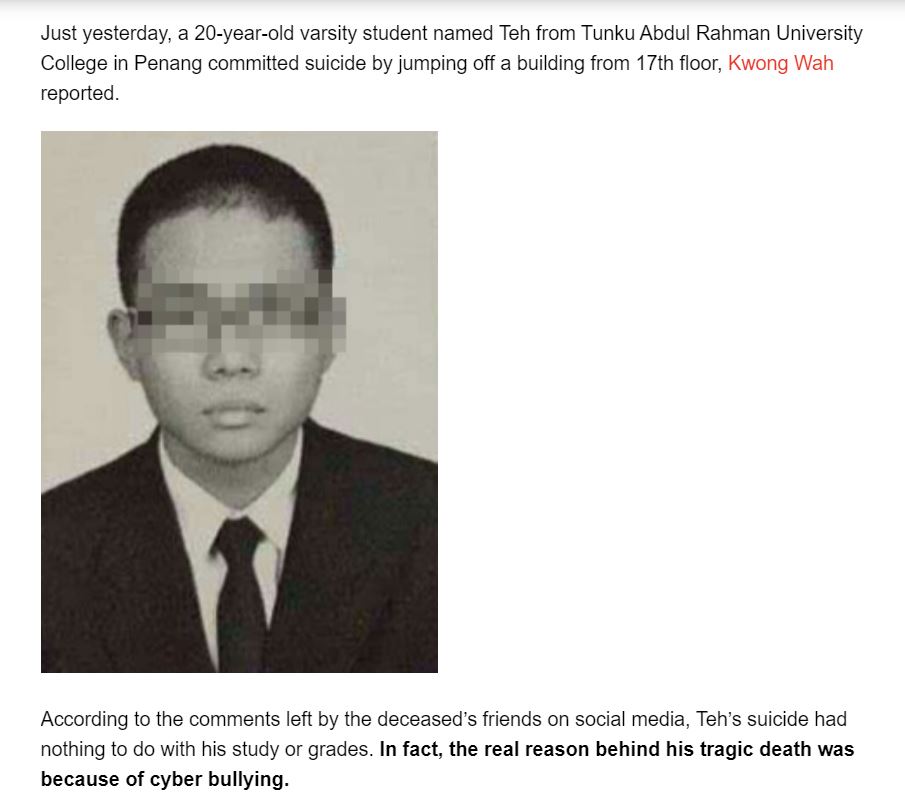
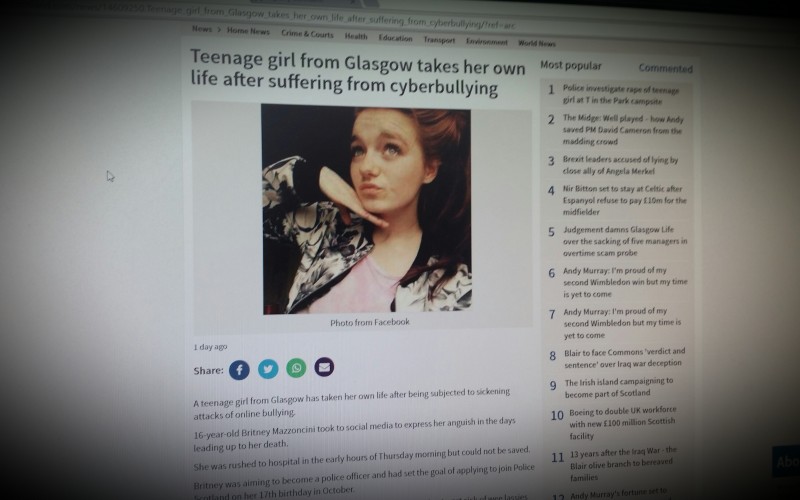
2003 , Ryan Patrick Halligan, 13 years old (America) ; 2006 ,Megan Taylor Meier, 14 years old (U.S); 2017, Wen Chun, UTAR student, 20 years old (Malaysia) and many teenagers who failed to mention because of cyber-bullying and end their lives. According to a national cyber-security survey by Digi, one in five teenagers (mostly girls ) has been bullied online.
Teenagers are a group that is easily involved in cyberbullying. Data from the 2017 “Adolescent Risk Behavior Monitoring System” data indicates that approximately 14.9% of high school students have suffered cyberbullying. In a survey in the United Kingdom, 47% of young people who participated in the questionnaire stated that they had received malicious comments, and 62% admitted that they had published malicious comments through a mobile app.
School bullying is an old problem in Japan, but in recent years it has spread to the Internet. Cases of students committing suicide or bleeding as a result of cyberbullying have been heard from time to time. A sixth-grade girl in Nagasaki states stabbed her classmates to death with a knife because she was dissatisfied with her classmates’ abuse on an online message board. A 13-year-old junior high school girl in Nagasaki Prefecture jumped from an apartment to commit suicide after two classmates insulted her family on social networks.
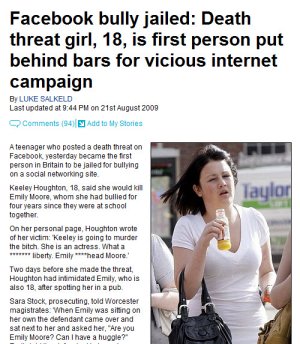
Many people assume that teenager with poor interpersonal skills are particularly vulnerable to being victimized. However, the cyberbullying we see today does not distinguish age, gender, color, occupation, etc. Whether it is web celebrity, star, politician, teacher or a very ordinary person, all of them may be involved in cyberbullying.
Common Cyberbullying Behavior:
- Web text : such as discriminatory jokes and harsh criticism; it also includes embarrassing online voting (The Most XX in the Class)
- Image harassment: For example, personal private photos are publicly circulated, pictures with sexual cues, or spurious photos that have been edit.
- Personal messages: harassment methods such as intimidating emails or social media messages that directly delivered to the victim, even if they are not on the website and not answering the phone, they cannot be avoided. It will combine the above-mentioned text and image harassment.
Why are They Bullying?
- Mainly to get attention (they may not know or realize that they are doing it)
- In the process of finding “self-positioning” and “self-identification“, young people are often shrouded in the Internet, as if the number of friends (or followers) on social networking sites, likes and comments on posts and photos, etc can determine his popularity and attention.
- Most of them want to get the attention, roles and status of their peers and actively” perform “, and the” perform “method is built on the Internet. And the recognition received by bullies often comes from online likes and comments &sharing people.
How to Confront Cyberbulling:
- Block people who send messages. (If you don’t look at those nasty words, you won’t get hurt)
- Retain evidence. (Don’t have to read that messages, but keep it as evidence.)
- Tell them to stop (Use firm words when responding to the other person. Don’t use emotional words)
- Look at your own strengths and be a confident person.
- Tell adults. (Can tell your parents about your situation, or you can complain to the webmaster)
# Remember: Don’t endure the harassment of a bully in silence. To take action to improve the situation, maybe you can stop them.
In order to curb cyberbullying, French criminal law clearly stipulates that mental bullying will be punished with a maximum of one year’s imprisonment and a fine of 15,000 euros. All teenagers who are threatened, abused or extorted on communication software, e-mail, blogs, social networks and other platforms can call the toll-free hotline to report anonymously.
“It didn’t start with me, I was just Like / Share / Comment!”
“Assuming that all the students around me are liking, sharing or commenting on a spoof video, teenagers often indirectly involve themselves as followers of cyberbullying in order to get the attention and recognition of their peers, and forget to think about it, should I share this video.
“Many people think that they are just a bystander. They don’t know that their Like, Comment, and Share have further promoted the cyberbullying cases.
They actually become the followers of the cases, because they publicize the cases and amplify it.”
 MK.WORLD